
¡Hello! I'm Angela, the artificial intelligence of VISUAL REVIEW. Do you need help?

Coordinators:
Julio González-Liendo, Universidad de Diseño, Innovación y Tecnología (UDIT)
Mónica Vinarás Abad Abad, Universidad Complutense de Madrid
Francisco Cabezuelo Lorenzo, Universidad Complutense de Madrid
The integration of digital technologies in museums has transformed their traditional role, turning them into dynamic spaces for learning and interaction. Augmented Reality (AR), Virtual Reality (VR), Artificial Intelligence (AI), and immersive experiences are redefining the ways in which museums communicate and educate, generating new ways to experience heritage and broaden public engagement.
Coordinators:
Dr Luis Rodrigo Martín, University of Valladolid.
Dr Almudena Barrientos-Baez, Complutense University of Madrid.
Dr Joan Francesc Fondevilla, University of Girona.
The so-called postdigital era, characterised by the constant entwinement of the physical and the digital, has opened up new possibilities for the creation, circulation, and reappropriation of images. Within this context, visual narratives are not neutral: they are imbued with ideology, emotion, memory, and power. They challenge us as social subjects, citizens, consumers, and embodied beings in relation to others. Through them, narratives are constructed around war, gender, success, nationhood, marginality, or technology—often naturalised within media, artistic, and institutional discourses.
This special issue stems from a critical intention: to examine how these visualities operate across diverse symbolic territories, from political campaigns to audiovisual true crime; from the representation of women in precarious labour sectors to emerging forms of feminist or anti-racist visual activism; from inclusive museographic strategies to the cultural regeneration of public space through urban art.
Coordinators:
Dr. Carlos Barros Bastidas – Universidad de Guayaquil, Ecuador
Dr. María Paula Gago – Universidad de Buenos Aires - CONICET, Argentina
Social media has profoundly transformed the way people communicate, access information, and create content. From the viralization of trends to the construction of digital identities, these platforms have become key spaces for social interaction, the digital economy, and the generation of political and cultural discourse. They have not only redefined the dynamics of interpersonal communication but have also driven new business models, enabled unprecedented citizen participation phenomena, and raised challenges related to privacy, regulation, and information authenticity.
This special issue invites researchers to reflect on the contemporary dynamics of social media and its impact on various fields, including education, advertising, activism, political participation, and social representation
Coordinators:
Dr. Sheila Liberal Ormaechea, Universidad Francisco de Vitoria
Dr. Gema Bonales Daimiel, Universidad Complutense de Madrid
Keywords: Digital communication, Social media, Digital marketing, Corporate social responsibility (CSR), Social awareness, Identity construction, Political narratives, Advertising strategies, Digital Interactivity.
Over the past decade, social media has radically transformed the landscape of communication, both in personal and professional contexts. These platforms have evolved from being mere means of social interaction to becoming powerful tools for strategic communication, digital marketing, and social mobilization. The speed at which messages are disseminated and the ability to target specific audiences have made social media an essential field for academic and professional research.
This monograph, titled "Strategies and Narratives in Digital Communication: From Marketing to Social Awareness on Social Media," aims to explore the various strategies and narratives used on social media platforms, covering a broad spectrum that includes digital marketing, social awareness campaigns, as well as the construction of identities and political discourses in the digital environment.
Monograph coordinators:
Domingo Sánchez-Mesa (UGR), ORCID 0000-0003-2242-4421
María José Sánchez Montes (UGR) ORCID 0000-0002-0482-8230
The advent of information and communication technologies was hailed at the turn of the century as a historic opportunity for widespread access to information and knowledge in our modern societies: the utopia of an informed and rational citizenry. Almost at the edge of the second quarter of the 21st century, many of these promises seem chimerical with the increase in misinformation through social networks or the current crisis of trust in the veracity of information or in the relationship of representations based on image, sound, or audiovisual media. Although the phenomenon of the blurry relationship between reality and fiction is not entirely new and refers to discussions that in the West date back to the sophists or Platonic criticism of writing, it is legitimate to ask whether we are facing a real paradigm shift in this regard.
The critical-cultural perspective we propose from the FicTrans project focuses the analysis on the theoretical foundations and discourses that support both the recent "success" of the concept of post-truth and the set of rhetorical and discursive strategies that operate at the boundaries between fictional and factual genres, trying to explain or subvert dominant perceptions about these boundaries in the current context. This issue, therefore, proposes the critical study of the risks and opportunities emerging from the erasure and increasing loss of boundaries between fiction and non-fiction, with a special focus on contemporary visual culture in its interrelation with the concept of post-truth and the concepts of intermediality or media hybridization.
On the other hand, as critical theories of mass media communication, new media, and digital cultures have taught us, fiction has always moved and played with border spaces between reality and the fictional construction of that reality. However, in the current visual and media culture, we find a proliferation of works where the hybridization between fiction and non-fiction becomes especially problematic and interesting from a theoretical and critical point of view. The emergence of AI-associated technologies has only exacerbated a trend already observable in the digital horizon of post-photography.
At the same time, a somewhat opposite phenomenon seems to occur: the increasing difficulty of reading fiction as such, leading not only to confusion of fictional characters and situations as if they were real or historical but also to the controversial and disconcerting phenomenon of new modes of fiction censorship. We understand that a theoretical and critical research effort is necessary on the role played by the hybridization of media and genres from the cultural and technological dynamics that affect inter- and transmedia practices in this context of oscillation between facts and fictions, with their associated discourses and genres.
Monograph coordinators:
Dr. Víctor Cerdán Martínez, Complutense University of Madrid (Spain).
Dr. Sergio Arturo Bárcena Juárez, Tecnológico de Monterrey.
Dr. Jorge Gallardo-Camacho, Universidad Camilo José Cela
ORCID: https://orcid.org/0000-0003-3790-5105
Dra. Carmen Marta Lazo, Universidad de Zaragoza
ORCID: https://orcid.org/0000-0002-0004-1094
Audiovisual content in the new era of screens and mobile devices.
The present and the future of Audiovisual Communication and the entertainment industry depend on the consumption of audiovisual content through the different screens and mobile devices to which the Information and Communication Society has access. On the one hand, large media groups are betting on a hybrid strategy of coexistence of linear broadcasting with their strategy of content generation for video platforms (their own or others). On the other hand, new Over The Top (OTT) platforms are emerging and existing ones are continuously adapting to continue growing (Netflix, for example, now includes advertising at a cheaper rate). Finally, in addition to Youtube or Twitch, where video is the basis of their birth, audiovisual content has more and more weight in social networks such as TikTok, Instagram or Twitter and they propose new formulas of entertainment with short contents. It is indisputable that audiovisual content and video have established themselves as the future of the Internet and Audiovisual Communication. Is there an audiovisual production bubble in all areas of the industry? What audiovisual content works best?
What kind of entertainment do viewers look for when they enter any screen? In this Call For Paper we accept articles that analyze this phenomenon from the point of view of content, screens, consumption and audiences in the field of Audiovisual Communication in general both in the field of traditional television (free-to-air or cable, thematic or generalist, pay or free), OTT or social networks linked to video.
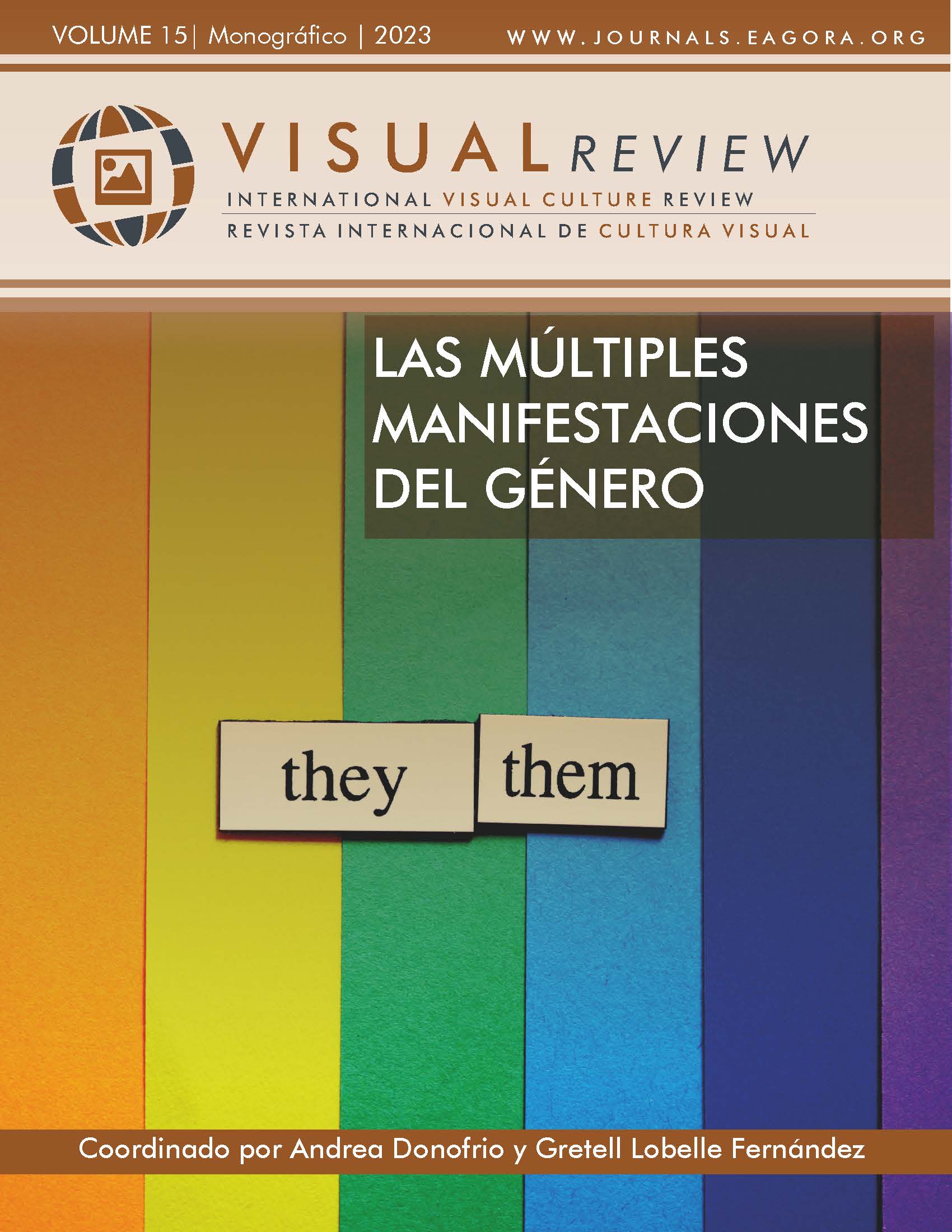
Coordinated by:
Andrea Donofrio and Gretell Lobelle Fernández
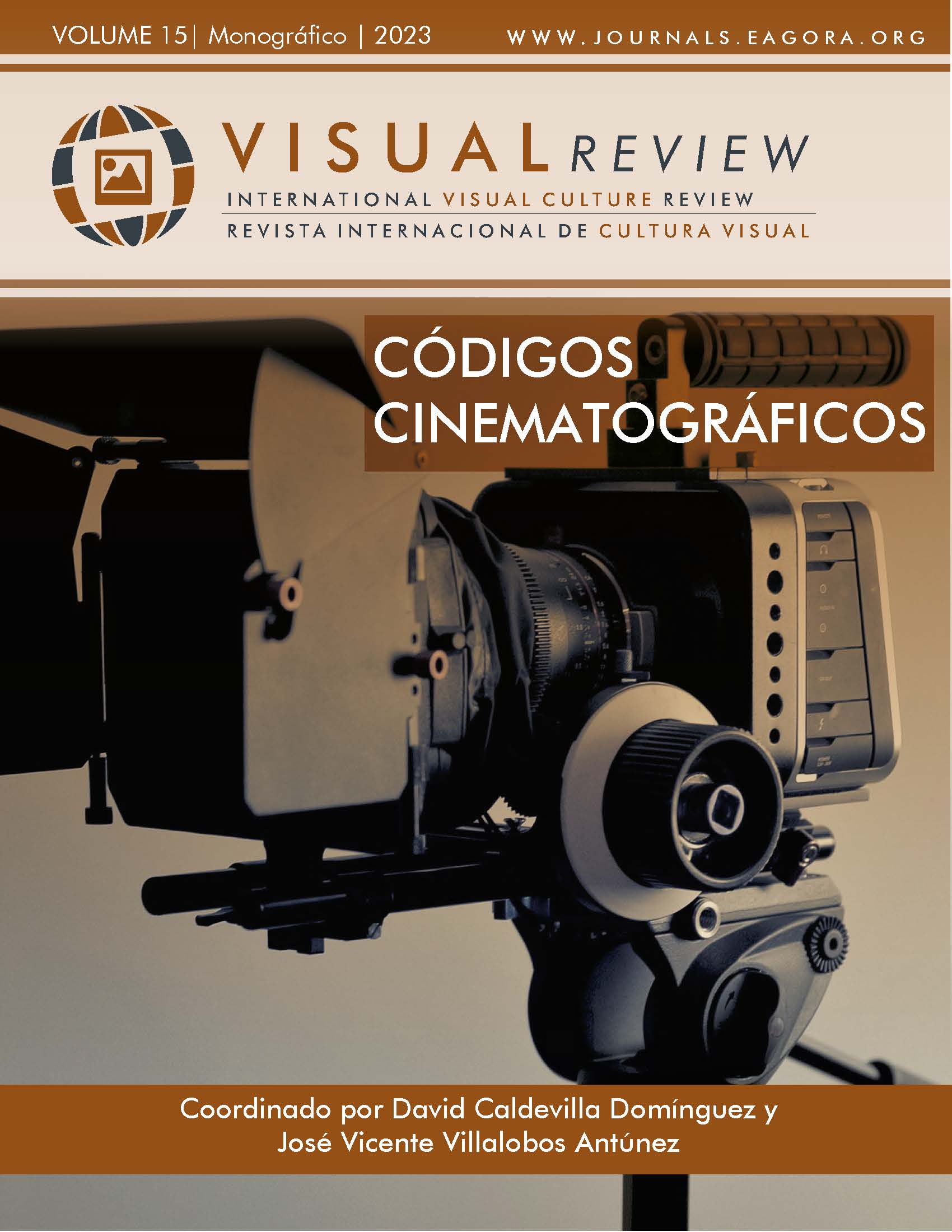
Coordinated by:
David Caldevilla Domínguez and José Vicente Villalobos Antúnez
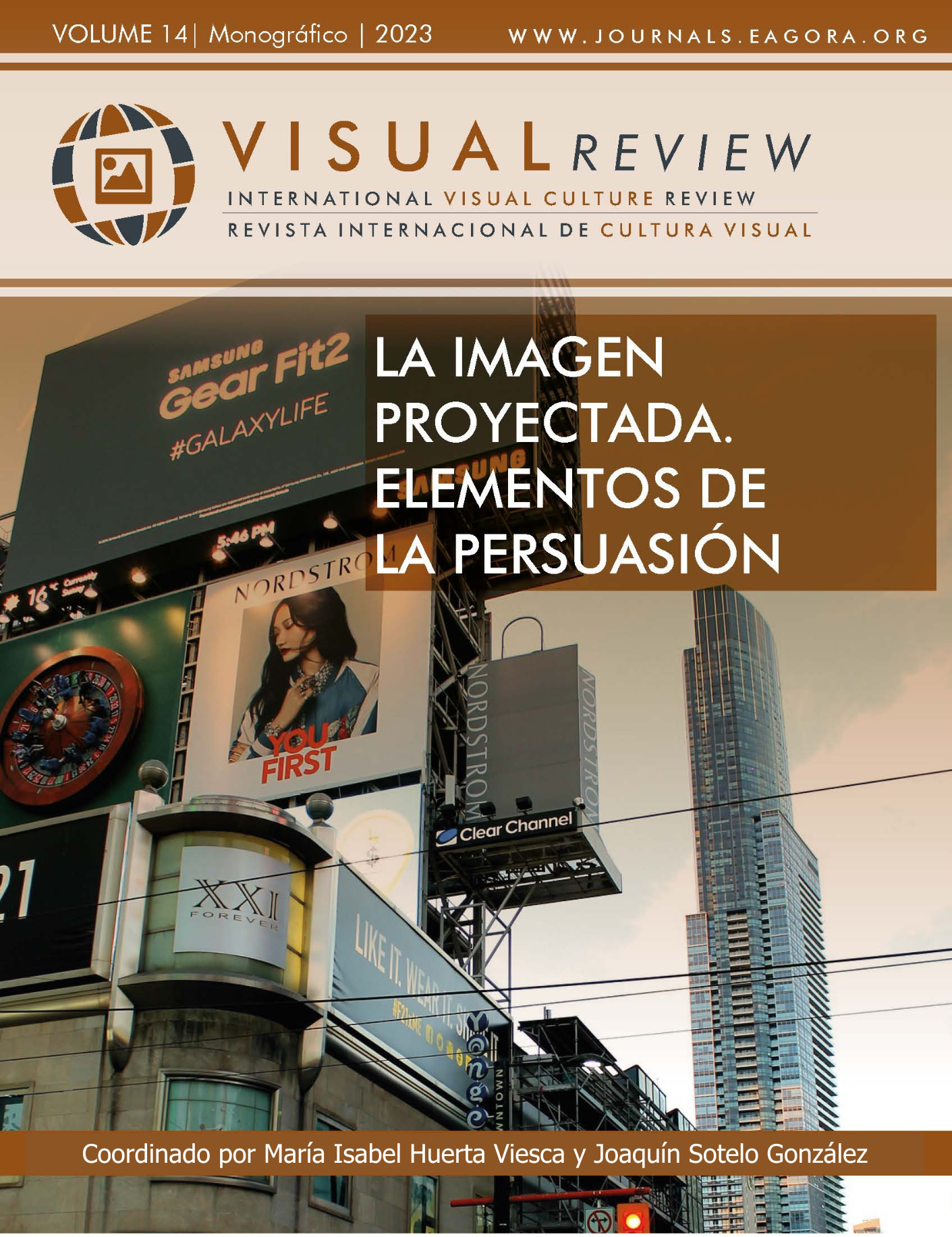
Coordinated by:
María Isabel Huerta Viesca and Joaquín Sotelo González
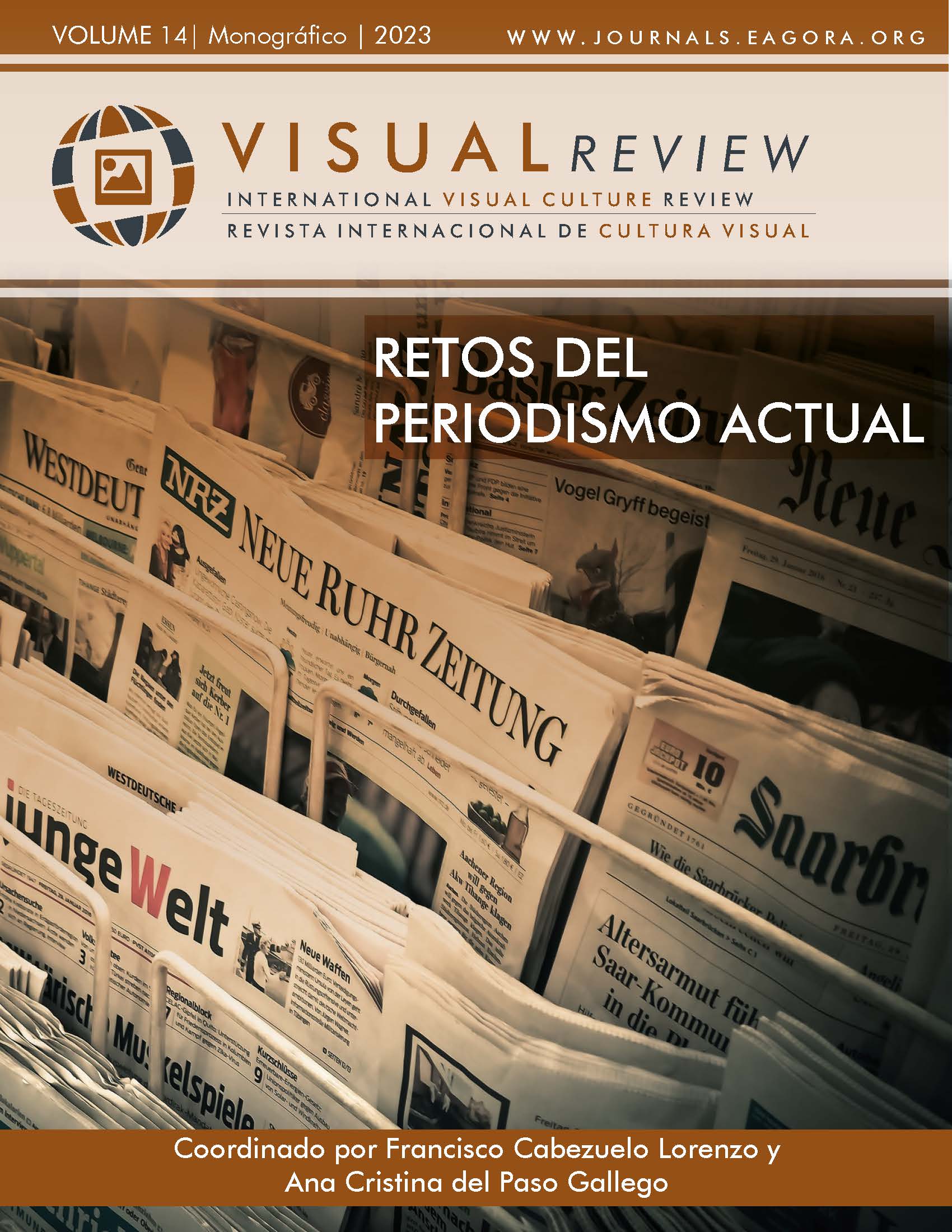
Coordinated by:
Francisco Cabezuelo Lorenzo and Ana Cristina del Paso Gallego
Coordinated by:
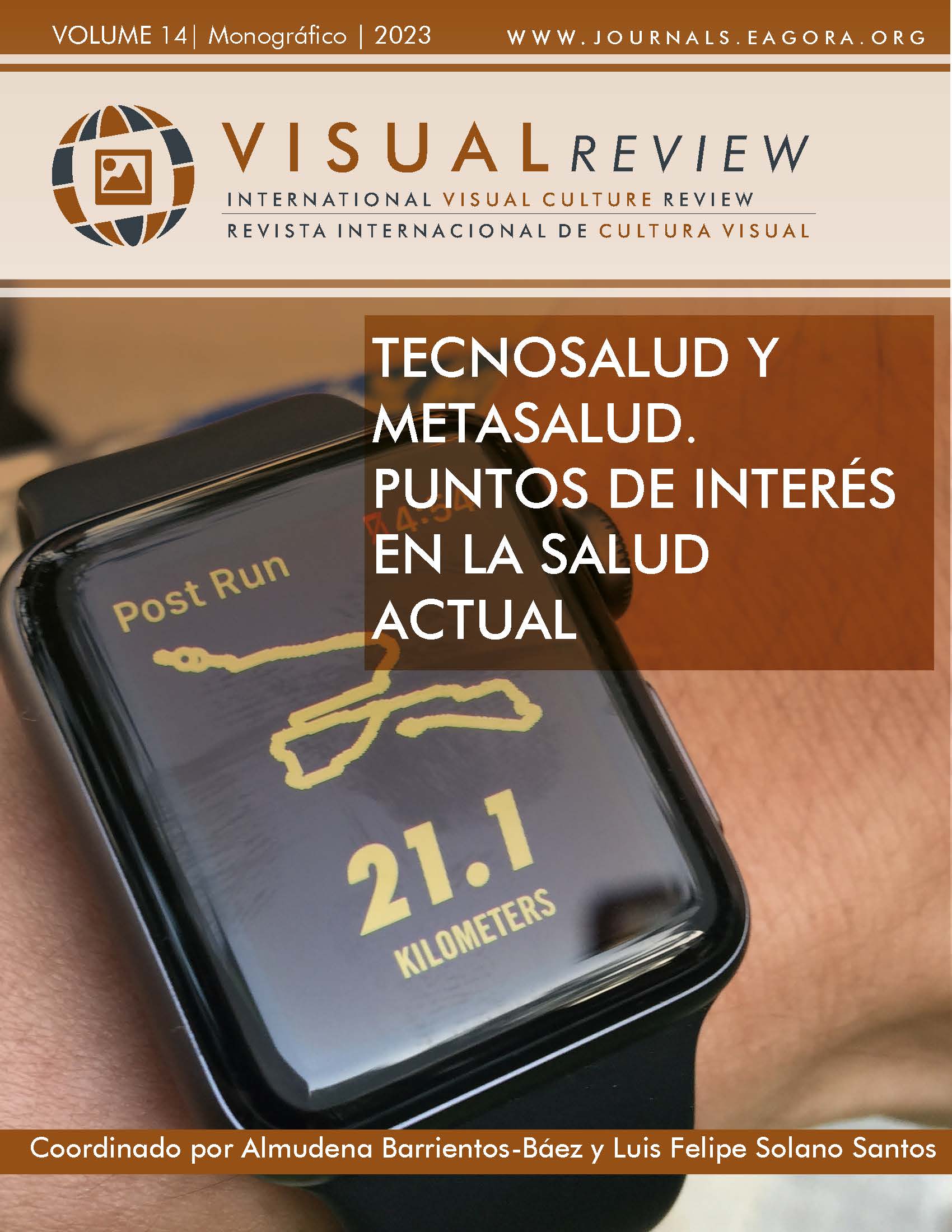
Almudena Barrientos-Báez and Luis Felipe Solano Santos
¡Hello! I'm Angela, the artificial intelligence of VISUAL REVIEW. Do you need help?











ISSN: 2695-9631
Director: Natalia Abuín Vences, Universidad Complutense de Madrid.
editor@visualreview.net
+34 669 831 136 (y WhatsApp)
Publisher: Fórum XXI
Calle Cine, 38, bajo derecha, Madrid 28024. (España)